
Post-Fire Remediation
Safe Cleanup & Restoration After Fire Damage
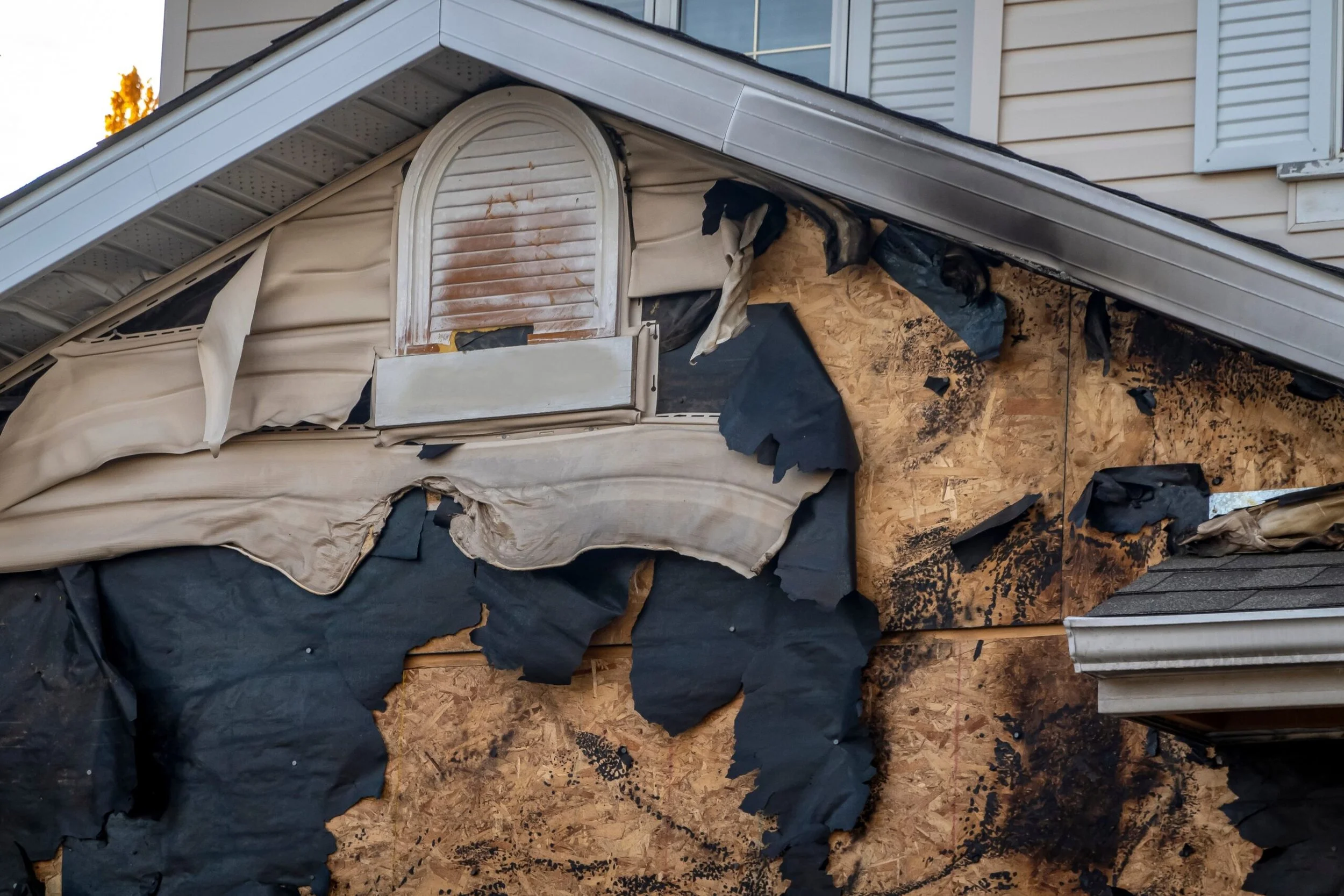
After a fire, visible damage is only part of the problem. Smoke, soot, ash, and water used to extinguish the fire can leave behind hazardous residues and hidden contamination. I & F Abatement Experts provides professional post-fire remediation services to help restore homes and commercial buildings safely, efficiently, and in compliance with applicable regulations.
Fire-damaged structures often require specialized cleanup before repairs or rebuilding can begin. Proper remediation protects occupants, contractors, and future use of the space.
Dangers & Risks After a Fire
Post-fire environments can present serious health and structural risks if not properly addressed.
Common post-fire hazards include:
Soot and ash containing toxic or carcinogenic substances
Smoke residue embedded in walls, ceilings, and HVAC systems
Water damage leading to mold growth within 24–48 hours
Compromised or unstable building materials
Asbestos, lead, or other hazardous materials disturbed by fire damage
Poor indoor air quality
Without professional remediation, these hazards can persist long after the fire is extinguished.
When Post-Fire Remediation Is Necessary
Post-fire remediation is typically required when:
Smoke or soot residue is present
Building materials have been burned, charred, or compromised
Fire suppression efforts cause water damage
Hazardous materials may have been disturbed
Odors, staining, or contamination remain
Renovation or rebuilding is planned
Even small or contained fires can cause widespread contamination that is not immediately visible.
What Post-Fire Remediation Involves
Professional post-fire remediation goes beyond surface cleaning and focuses on restoring safety and indoor air quality.
Services may include:
Removal of fire-damaged materials
Soot and ash cleanup
HEPA vacuuming and air filtration
Cleaning and sealing affected surfaces
Mold prevention or remediation due to water damage
Hazardous material abatement if asbestos or lead is present
Each project is evaluated individually to ensure the appropriate remediation approach is taken.
FAQs
-
Fire residue can contain toxic substances, including chemicals released when building materials burn. Disturbing soot or ash without proper containment can spread contamination and pose health risks to occupants and workers.
-
Minor cosmetic damage may be manageable, but professional remediation is recommended for most fire-damaged structures. Improper cleanup can spread contaminants, overlook hidden damage, and delay safe restoration.
-
Remediation should begin as soon as it is safe to enter the structure. Delaying cleanup increases the risk of mold growth, permanent material damage, and lingering odors.