
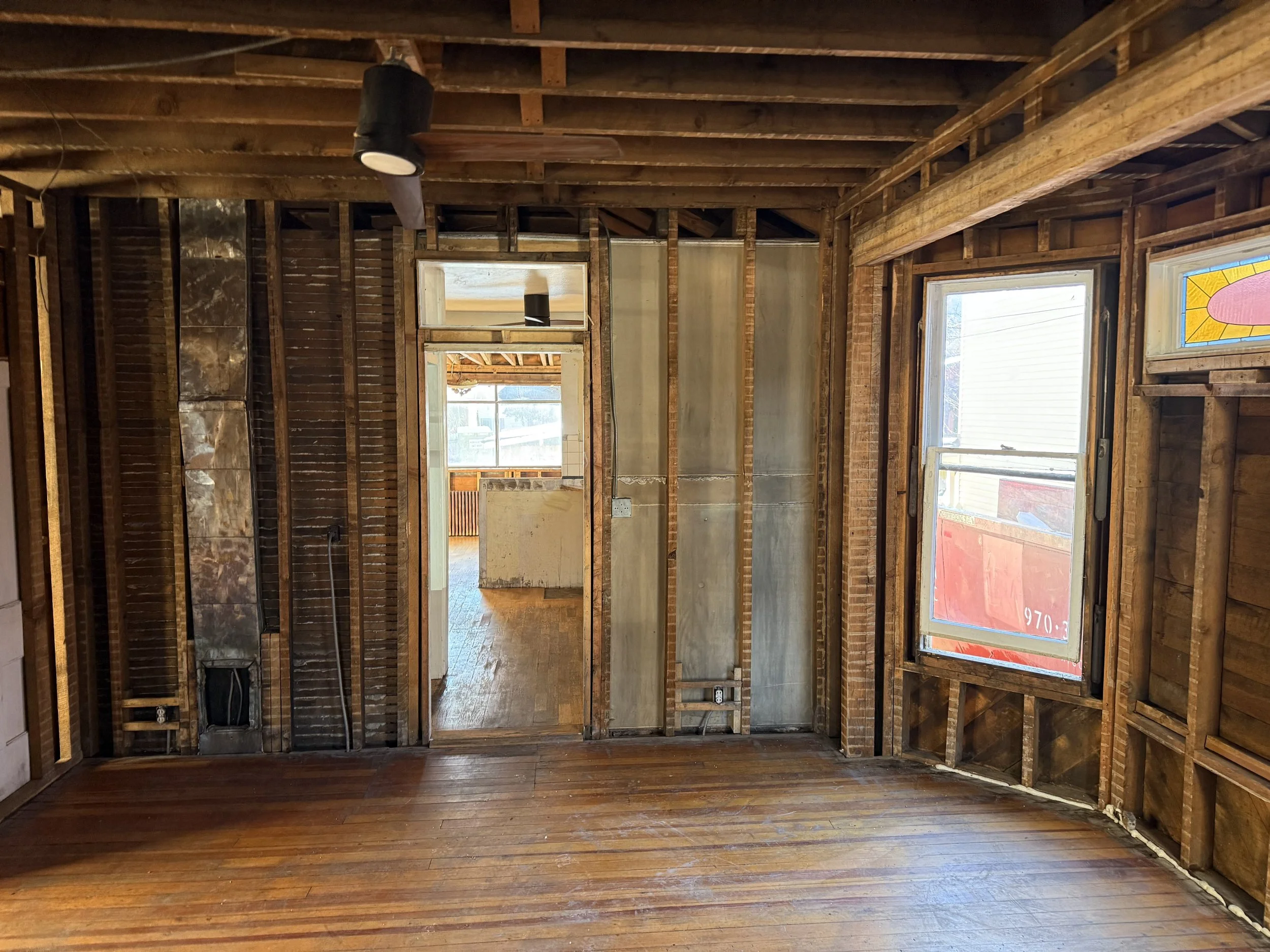
Renovations & Demolitions
Residential & Commercial Abatement Requirements
Renovation and demolition projects often trigger regulatory requirements when hazardous materials such as asbestos, lead, or mold may be present. I & F Abatement Experts helps property owners, contractors, and developers stay compliant while protecting occupants, workers, and the environment.
While residential and commercial projects share many similarities, the scope of work, regulatory oversight, and required abatement services can differ depending on the structure type and project phase.
Renovation Requirements & Considerations
Renovations involve modifying or repairing existing structures and often trigger regulatory requirements when hazardous materials may be disturbed.
Renovation-related requirements may include:
Inspections for asbestos or lead prior to disturbing materials
Abatement of hazardous materials before renovation work begins
Use of certified professionals and approved work practices
Compliance with EPA, OSHA, and applicable state regulations
Even small renovation projects can require abatement if regulated materials are present.
Demolition Requirements & Considerations
Demolition projects—whether partial or complete—are more strictly regulated due to the increased risk of material disturbance.
Demolition-related requirements typically include:
Comprehensive hazardous material surveys
Removal of asbestos-containing and lead-based materials prior to demolition
State or local notifications
Regulated handling and disposal of hazardous waste
Demolition cannot proceed until required abatement is completed and documented.
Residential Vs Commercial Projects
While both residential and commercial projects require regulatory compliance, the scope and oversight often differ.
Residential Projects
May involve fewer reporting requirements
Commonly associated with remodeling or single-structure demolition
Still require inspections and abatement when hazardous materials are present
Must protect occupants, neighbors, and workers
Commercial Projects
Typically involve larger structures and higher material volumes
Often require formal surveys, documentation, and notifications
Increased oversight from regulatory agencies
Coordination with multiple contractors and stakeholders